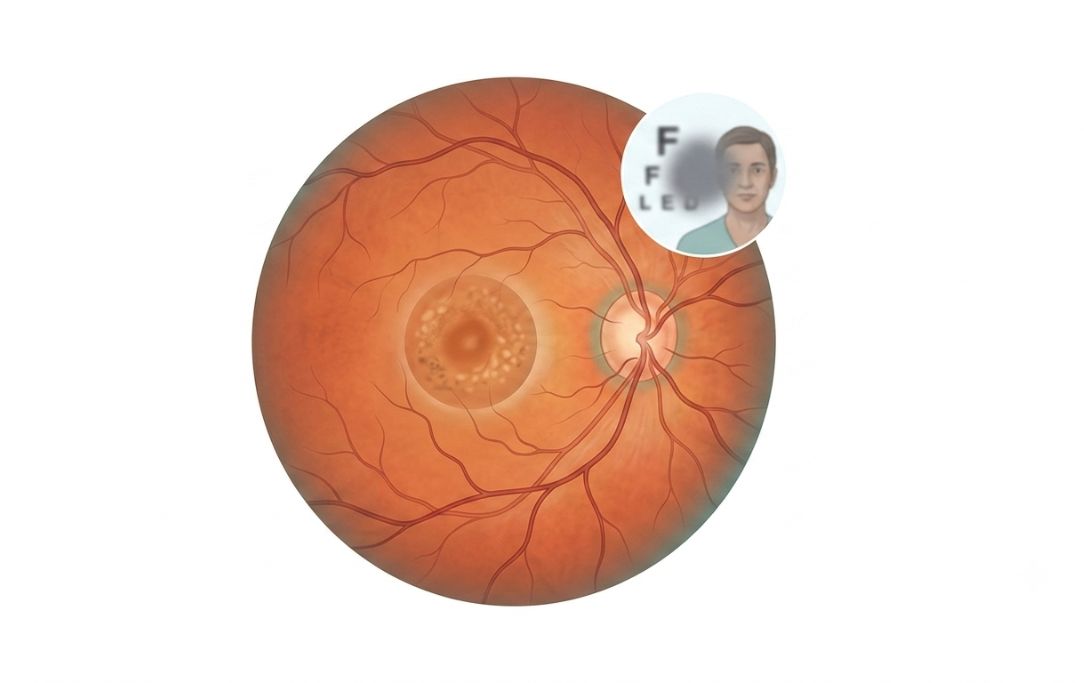
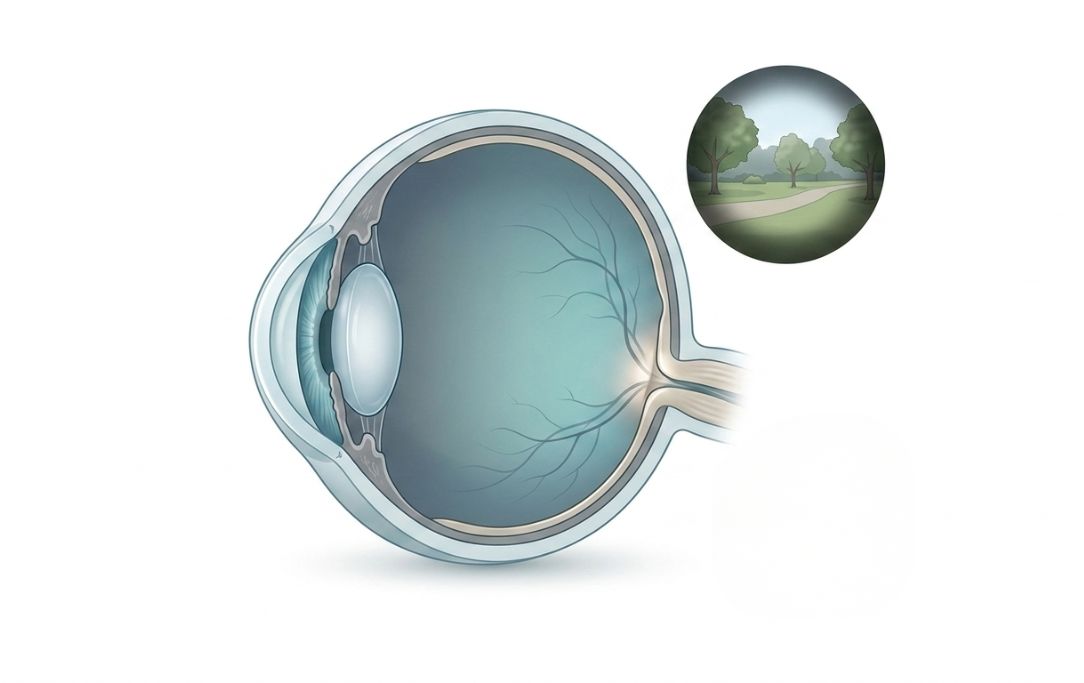
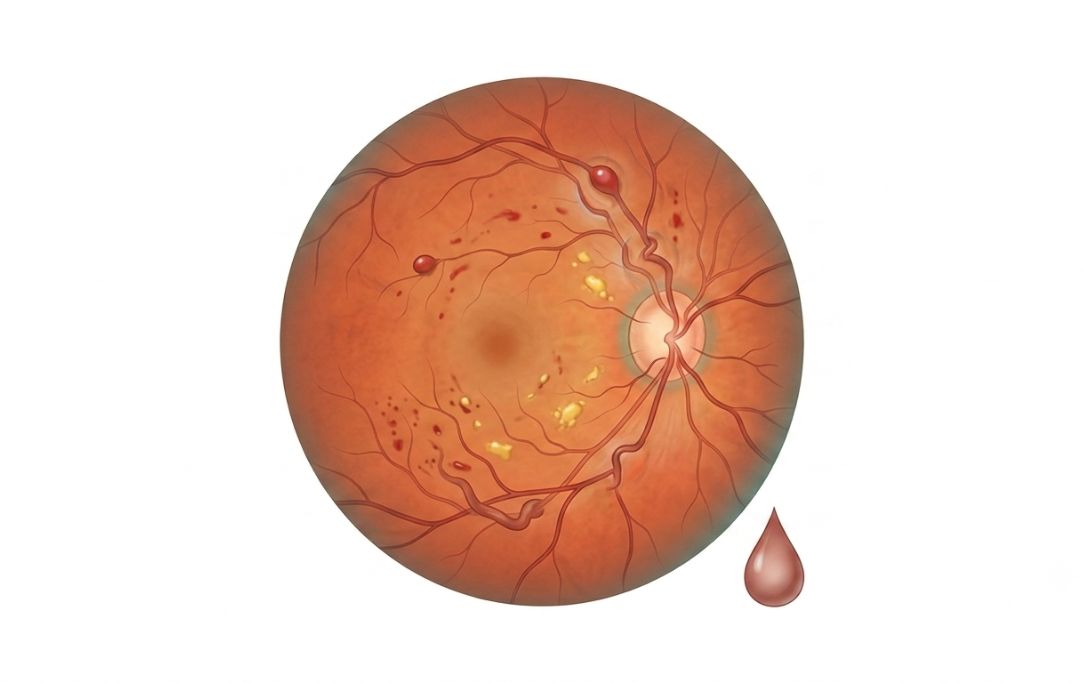
Most people can tell you if diabetes, heart disease, or other conditions run in their family. Far fewer can say the same about eye disease, yet several of the most common causes of vision loss in Australia have a strong hereditary component.
Glaucoma, age-related macular degeneration (AMD) and diabetic retinopathy can all run in families. If a parent, sibling, or child has been diagnosed with one of these conditions, your own risk is higher than average, and it often changes how frequently you should have your eyes checked.
Why family history changes your monitoring schedule
For healthy adults with no particular risk factors, an eye test every one to two years is generally considered a reasonable baseline. Family history moves that timeline forward. Optometrists commonly recommend annual comprehensive eye exams rather than waiting two years for people with a close relative diagnosed with glaucoma, AMD or diabetic retinopathy, because:
- These conditions often progress with no noticeable symptoms in their early stages.
- Vision lost to glaucoma or advanced AMD generally can’t be recovered.
- Earlier detection gives far more treatment and management options.
- Risk can appear well before the age at which these conditions are typically expected to occur.
If a close relative was diagnosed at a younger-than-typical age, some optometrists will also suggest starting your own monitoring earlier than general population guidelines recommend.
How to gather your family's eye health history
A conversation is usually enough. Before your next appointment, try to find out:
- Which eye conditions (if any) your parents, siblings or children have been diagnosed with
- Roughly what age they were when diagnosed
- Whether anyone in the family has experienced significant vision loss and, if so, why
- Whether any relatives have diabetes, since this affects your own risk of diabetic retinopathy
It’s worth having this conversation with family members even if no one has been formally diagnosed: a relative who “just has trouble seeing at night” or “gave up driving early” may be describing undiagnosed glaucoma or AMD.
What to tell your optometrist
Bring your family history to every comprehensive eye exam, not just the first one. New diagnoses in the family can change your risk profile over time. It helps to mention:
Which relatives are affected and their relationship to you (parent, sibling, child)
- The specific condition, if known
- Their approximate age at diagnosis
- Any relevant medical history, such as diabetes
Your optometrist will use this information to decide whether additional tests such as optic nerve imaging, visual field testing, or a dilated retinal exam are appropriate, and how often you should be reviewed going forward.
When should you arrange an eye exam?
Routine care: If you have a family history of glaucoma, AMD or diabetic retinopathy, ask your optometrist directly what testing schedule is appropriate for you. This is usually more frequent than the general two-year guideline.
Prompt assessment: Book an appointment for any new or unexplained changes in vision, even mild ones. Early symptoms of these conditions can be subtle and easy to dismiss.
Emergency care: Sudden vision loss or a painful red eye with blurred vision needs immediate medical attention. Go to the nearest emergency department or call triple zero (000).
Family History of Eye Conditions FAQs
The information in this article is provided for general educational purposes only and should not be considered medical advice. For personalised advice regarding your vision or eye health, please consult a qualified optometrist.
Australian Made Vision is an independent directory that helps patients find optometrists across Australia who may offer Australian-made spectacle lenses. We do not provide clinical services and recommend contacting practices directly to confirm the products and services they offer.