
Last Tuesday morning, Sarah woke up in her Sydney home to a gritty, swollen eye that felt like it was filled with coarse sand. She immediately felt a wave of social anxiety, wondering if she could still attend her community meeting or if she had already passed a contagious infection to her young children. We know that the sudden appearance of conjunctivitis is deeply frustrating, especially when you are trying to distinguish between a simple pollen allergy and a viral outbreak. You shouldn’t have to settle for the cold, clinical feel of a corporate chain when your vision is at stake.
This article provides the clinical expertise and warm, local perspective you need to reclaim your comfort and peace of mind. We promise to help you identify your specific symptoms so you can seek bespoke care from a master of their craft within our independent Australian optometry network. We will examine the three main types of pink eye, outline the most effective 2026 treatments, and provide a clear roadmap for preventing the spread of infection within your household.
Key Takeaways
- Identify the visual signs and physical sensations of eye inflammation to help you distinguish common “pink eye” from other underlying conditions.
- Understand the specific triggers of conjunctivitis and how professional management can provide relief from redness, tearing, and irritation.
- Learn why choosing an independent Australian optometrist offers a more thorough, personalised investigation into your eye health compared to high-volume corporate models.
- Discover effective self-care techniques and medical options that support your recovery while protecting your household from the spread of infection.
- Gain practical insights into maintaining clear vision through local, high-quality care that prioritises the well-being of the Australian community.
Understanding Conjunctivitis: More Than Just ‘Pink Eye’
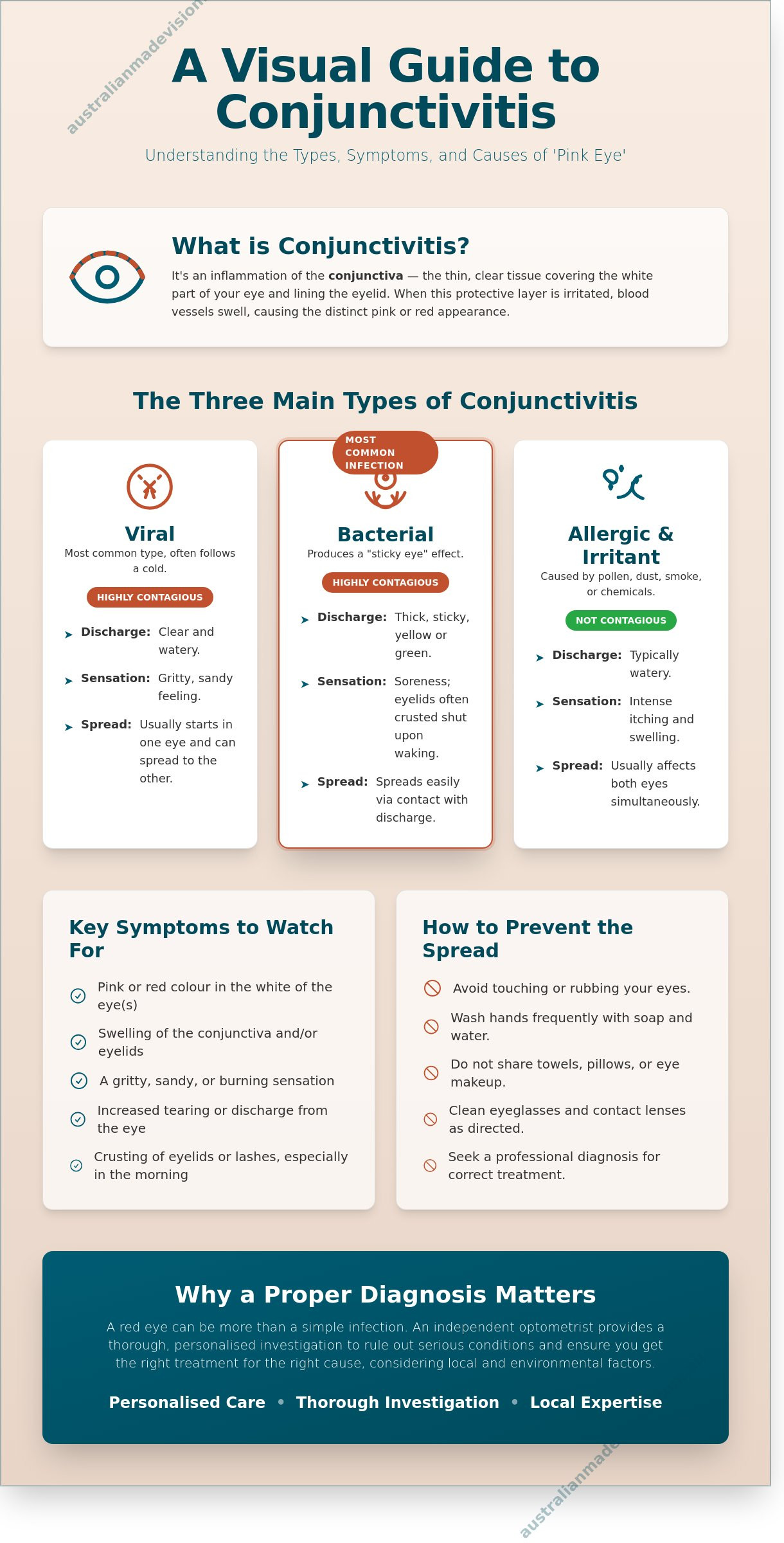
Conjunctivitis occurs when the conjunctiva, the thin, clear layer of tissue resting over the white of your eye and lining your eyelids, becomes inflamed. This delicate membrane serves a vital purpose; it produces mucus and tears to keep the ocular surface moist while acting as a primary shield against external microbes. When this tissue reacts to an infection or an allergen, the blood vessels within it swell. This creates the characteristic reddish or pink appearance that gives the condition its common nickname.
While many people view a red eye as a minor inconvenience, conjunctivitis requires a precise diagnosis to ensure the health of your vision. Around 13 million Australians live with one or more chronic eye conditions according to 2024 health reports, and distinguishing a simple infection from more serious ocular issues is essential. Seeking advice from a local, independent optometrist allows for a bespoke assessment that corporate clinics often rush through. These dedicated professionals provide the clinical expertise needed to rule out deeper inflammation or corneal damage.
We generally categorise this condition into three distinct streams: viral, bacterial, and allergic. Each requires a different clinical approach. Treating a viral infection with antibacterial drops won’t provide relief; it might even cause further irritation. This is why understanding the specific cause of your discomfort is the first step toward recovery.
Viral vs Bacterial: Spotting the Difference
Viral infections are the most frequent cause of infectious conjunctivitis in the Australian community. These cases often follow a common cold or a sore throat, as the same viruses affecting your respiratory system can easily migrate to your eyes. You’ll typically notice a watery discharge and a gritty sensation. Because these viruses are highly resilient, they spread quickly through shared towels or close contact in schools and workplaces.
Bacterial infections present a different set of challenges. The hallmark sign is a “sticky eye,” where a thick yellow or green discharge causes the eyelids to glue together overnight. This type of infection requires prompt attention to prevent it from spreading to others. Independent practitioners often see spikes in these cases during the winter months when immune systems are under pressure. They provide tailored advice on hygiene and specific treatments to clear the infection efficiently.
Allergic and Irritant-Induced Inflammation
Australia’s unique environment plays a significant role in eye health. Allergic reactions are frequently triggered by seasonal ryegrass pollens or household dust mites, affecting up to 20% of the population at various times. Unlike infectious types, allergic reactions usually affect both eyes simultaneously and cause intense itching rather than pain. You might also notice significant swelling of the eyelids, a common response to our high local pollen counts.
Irritants in our daily lives can also mimic the symptoms of an infection. Exposure to swimming pool chlorine, bushfire smoke, or even certain cosmetics can cause the conjunctiva to flare up. These irritant-induced cases don’t require antibiotics; instead, they need a management plan that focuses on removing the trigger and soothing the ocular surface. Choosing a local expert ensures you receive care that considers these specific environmental factors, keeping your vision clear and your eyes comfortable.
Recognising the Symptoms and Root Causes
You wake up and your eye feels as though it’s been scrubbed with beach sand. This classic ‘gritty’ sensation is often the first sign that conjunctivitis has taken hold. While the discomfort is immediate, the visual changes follow quickly. You’ll likely notice the white part of your eye turning a distinct pink or red hue, accompanied by swollen, heavy eyelids and a constant stream of tears. It’s a frustrating experience that disrupts your daily rhythm and clarity.
The ‘crusty’ eyelid phenomenon is perhaps the most telltale sign of an infection. During the night, the eye produces a thick discharge as it tries to flush out the irritant. This mucus dries along the lash line, effectively ‘gluing’ your eyes shut by morning. In Australia, our unique environment plays a significant role in these flare-ups. High UV levels and seasonal pollen counts, which reached record peaks in late 2025 across the eastern states, often trigger allergic reactions that mimic or lead to infectious cases. Dust from rural regions or smoke from controlled burns can also compromise the eye’s natural defences.
Choosing a local professional ensures you receive care that considers these specific Australian conditions. If you’re feeling the strain, you can find an independent optometrist who offers the bespoke, clinical attention your vision deserves.
When Symptoms Signal Something More Serious
While most cases are manageable, certain ‘red flags’ demand immediate clinical intervention. Severe, throbbing pain or an intense sensitivity to light, known as photophobia, aren’t typical for a standard infection. These symptoms might indicate keratitis, an inflammation of the cornea, or uveitis, which affects the middle layer of the eye. If your vision becomes blurred or you see halos around lights, don’t wait. Seek urgent care immediately to protect your long-term sight from potential scarring or permanent damage.
The Role of Hygiene and Pathogen Spread
Viruses and bacteria are remarkably efficient travellers. They move from a contaminated surface to your hand and then directly into the eye with a single, subconscious rub. This is why shared household items are common culprits for spreading conjunctivitis within families. Using the same towel, face cloth, or even sharing a bottle of eye drops can pass the pathogen from person to person in a matter of hours. Makeup brushes and mascara wands are also high-risk tools that should never be shared. The contagion period for viral cases typically lasts between 7 and 14 days. Maintaining strict hand hygiene and using separate linens is the most ethical way to protect your local community and family from further spread.
Diagnosis: Why Personalised Care at an Independent Optometrist Matters
When you’re dealing with red, itchy eyes, it’s easy to assume it’s just a common case of conjunctivitis. However, data from clinical studies in 2023 suggests that misdiagnosis of red-eye conditions in general primary care settings can occur in up to 15% of cases. Independent optometrists offer a distinct advantage over high-volume corporate models by prioritising time. While a retail chain might cap appointments at 15 minutes, an independent practitioner often dedicates 30 to 45 minutes to your consultation. This allows them to investigate whether that redness is an infection or a symptom of underlying chronic dry eye, which affects approximately 20% of the Australian population.
Independent practices focus on the person, not just the prescription. They have the freedom to look deeper into your ocular health history without the pressure of meeting corporate sales targets. This thoroughness is vital because treating a viral infection with antibiotic drops won’t just fail to help; it can actually disrupt your eye’s natural microbiome. By choosing a local professional from this directory of independent optometrists, you’re ensuring that your diagnosis is backed by a comprehensive understanding of your unique lifestyle and environment.
The Clinical Examination Process
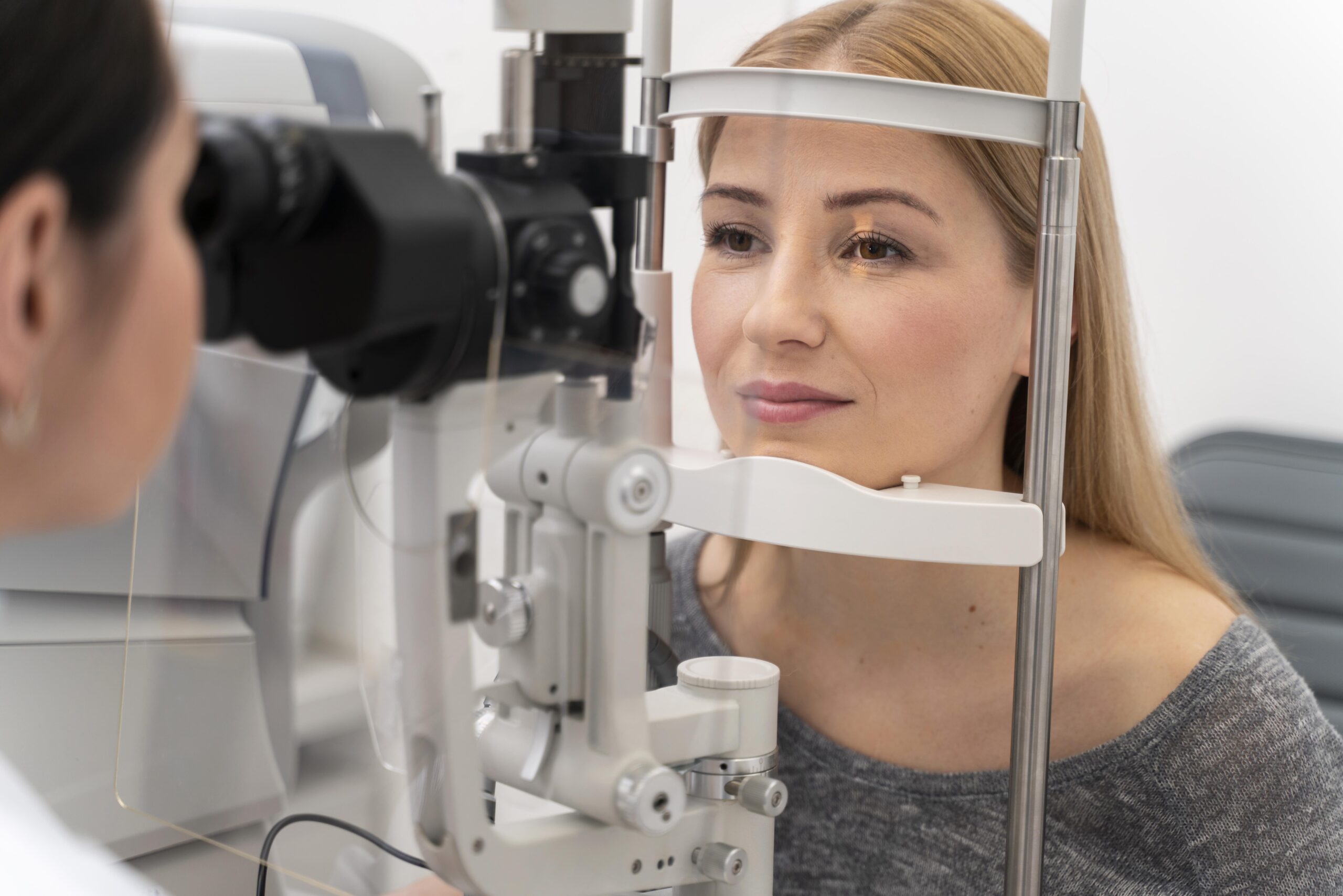
The optometrist begins with a physical assessment using a slit-lamp microscope. This high-magnification tool allows them to see the different layers of the eye surface in incredible detail. They look for specific markers, such as follicles on the inner eyelid or discharge patterns, to distinguish between bacterial, viral, or allergic triggers. It’s a precise science that requires a steady hand and a sharp eye.
Many Australians attempt to self-diagnose by purchasing over-the-counter drops at the chemist. This “chemist guessing” often leads to prolonged irritation because many generic drops contain vasoconstrictors that cause rebound redness. An independent optometrist provides tailored recommendations based on what they actually see under the microscope. They don’t just hand you a bottle; they explain why a specific treatment is right for your eye’s current state.
Supporting Local Australian Eyecare
Choosing an independent practice means you’re supporting a business that is deeply invested in the Australian community. These practitioners often invest their own capital into advanced diagnostic technology, such as Optical Coherence Tomography (OCT) or meibography, which might not be standard in every corporate outlet. This commitment to local expertise ensures that you receive high-quality care that keeps your long-term vision health in focus.
There is a quiet pride in receiving bespoke care from a local expert who understands the harsh Australian climate and its impact on your eyes. These practices represent a heritage of clinical excellence and ethical commitment. By opting for community-based care, you aren’t just a number in a database. You’re a patient whose vision is managed by someone who truly cares about the health of their neighbours. This personalised approach is the hallmark of authentic Australian eyecare.
Treatment Options and Professional Management Strategies
Managing conjunctivitis effectively requires a blend of clinical intervention and gentle home care. We believe in bespoke solutions that respect the delicate nature of your vision and the health of our local community. For bacterial infections, your optometrist might prescribe antibiotic drops. These typically reduce symptoms and contagiousness within 48 hours. Viral cases are different. They don’t respond to antibiotics; instead, the infection must run its course, which can take anywhere from seven to 14 days.
Comfort is a priority during recovery. You can use a warm compress to gently loosen crusting around the eyelids or a cool compress to soothe active inflammation. We recommend using preservative-free artificial tears throughout the day. These drops provide essential lubrication without the harsh chemicals found in some mass-produced alternatives. They ensure the ocular surface stays hydrated, which is vital for a smooth recovery process.
Advice for Contact Lens and Spectacle Wearers
If you wear contact lenses, you must cease use the moment you notice redness or irritation. Bacteria and viruses can cling to lens materials, increasing the risk of corneal complications. It’s best to discard any lenses worn when symptoms first appeared and throw away your current lens case. While your eyes heal, rely on high-quality single vision lenses to maintain clarity. We suggest disinfecting your spectacle frames daily with a gentle, pH-neutral solution to ensure no pathogens remain on the bridge or temples.
Managing Allergic Reactions Long-Term
Chronic itchiness often stems from environmental triggers like pollen or dust. You can identify these specific irritants through a comprehensive eye exam at an independent clinic. For immediate relief during a flare-up, apply a cool compress for 10 minutes. This simple technique constricts blood vessels and reduces the urge to rub your eyes. Rubbing only releases more histamines and worsens the swelling. Some patients also find relief by using specialised lens coatings that reduce glare sensitivity, which often peaks during allergic episodes.
Professional guidance ensures you aren’t just treating symptoms but protecting your long-term eye health. Independent optometrists offer the time and precision needed to tailor a treatment plan specifically for your lifestyle. To get started with a personalised care plan, you can find a local independent optometrist through our directory.
Preventing Spread and Protecting Your Long-Term Vision
The golden rule of eye health is simple: keep your hands clean and away from your face. Most cases of conjunctivitis spread through direct contact with infected secretions. If you touch an itchy eye and then a door handle, you’ve created a clear path for the virus to travel. Washing your hands with soap for at least 20 seconds is a non-negotiable habit for every Australian household, especially during peak seasons.
Managing a home when one member has ‘sticky eye’ requires a disciplined approach to break the cycle of infection. You should immediately separate towels, flannels, and pillowcases. Wash these items in water at least 60 degrees Celsius to kill pathogens effectively. It’s also wise to discard any shared eye makeup or bottles of drops that might have touched the infected eye surface to prevent reinfection later.
Independent optometrists serve as the primary guardians of our community’s visual wellbeing. Beyond treating an active infection, regular check-ups ensure your conjunctiva remains resilient against future irritants. You can find a dedicated professional who understands your specific history and environment by visiting our directory of independent optometrists across Australia.
Work and School: When to Stay Home
Viral infections are often contagious for as long as the eyes are weeping or producing discharge. This period typically lasts between three and seven days. For bacterial infections, children and office workers can usually return 24 hours after starting an effective course of antibiotic drops. Returning to high-contact environments too early often leads to secondary outbreaks in local classrooms or shared office spaces. We recommend consulting your local optometrist for a formal clearance before you head back to the office or send the kids to school.
Building Eye Resilience Through Better Care
Maintaining healthy eyelids is a core part of long-term prevention. If you struggle with recurring issues, learning how to get rid of a stye safely can help you master the hygiene routines that keep the entire eye area clean. Better care also involves the quality of what you put in front of your eyes. Using Australian-made lenses provides superior visual comfort and protection, reducing the digital strain that often leads to subconscious eye rubbing.
Choosing bespoke, local eyecare means you aren’t just a number in a corporate database. You’re supporting a legacy of Australian craftsmanship and receiving health advice tailored to our unique southern hemisphere conditions. Every Australian family deserves the peace of mind that comes from authentic, community-focused vision care. By prioritising local expertise, you ensure your family’s sight is protected by those who truly care about the health of our nation.
Proactive Care for Your Ocular Health
Managing conjunctivitis effectively starts with a precise diagnosis from a professional who understands the nuances of ocular health. While symptoms might seem minor, seeking a tailored assessment ensures you aren’t just treating surface issues but protecting your long-term sight. Independent practices offer 50% more time on average for consultations. This extra time allows your optometrist to look beyond basic prescriptions and address complex conditions with the care they deserve.
Choosing an independent optometrist does more than just benefit your eyes. It supports 100% Australian-made optical lens manufacturing and keeps vital skills within our local communities. These experts possess the clinical depth to manage complex conditions that go far beyond basic vision checks. You’ll receive bespoke care that reflects the high standards of Australian craftsmanship and clinical excellence. Regular comprehensive eye examinations can also help detect serious conditions like macular degeneration in their early stages, when treatment options are most effective. It’s a choice that secures your health while reinvesting in our nation’s heritage.
Your eye health is a vital part of your overall wellbeing. By choosing a local practitioner, you’re investing in a relationship built on trust, precision, and a shared commitment to our national industry. It’s time to experience the difference that dedicated, unhurried care makes for your vision.
Find an independent Australian optometrist for a personalised eye exam today and see the world through lenses crafted with pride right here at home.
Frequently Asked Questions
How long does conjunctivitis usually last?
Most cases of conjunctivitis clear up within 7 to 14 days without long-term effects on your vision. If you’re dealing with a viral infection, it might linger for up to 21 days as your body naturally fights the virus. Bacterial types often improve within 2 to 5 days once you start an appropriate antibiotic course prescribed by your local practitioner. Our independent optometrists can provide a precise timeline after a quick examination of your symptoms.
Is conjunctivitis contagious to other people?
Yes, viral and bacterial conjunctivitis are highly contagious and spread easily through direct contact or shared household items. Research from Australian health authorities indicates that hand-to-eye contact remains the primary transmission route in local communities. To protect those around you, avoid sharing towels or pillows and wash your hands for at least 20 seconds after touching your face. Allergic versions of the condition aren’t contagious and won’t spread to others.
Can I use old eye drops to treat a new case of pink eye?
You shouldn’t use old eye drops to treat a new infection. Most medicated drops expire 28 days after opening because the preservatives lose their effectiveness, which allows harmful bacteria to grow inside the bottle. Using contaminated drops can lead to a secondary infection that’s much harder to treat than the original issue. It’s safer to visit a local independent practice for a fresh, bespoke prescription tailored to your current needs.
What is the fastest way to get rid of conjunctivitis?
The fastest way to resolve conjunctivitis is to get an accurate diagnosis from an expert to ensure you’re using the correct treatment for your specific strain. Bacterial infections respond rapidly to antibiotic drops, often showing significant improvement within 24 hours. For viral cases, using cool compresses 3 to 4 times a day provides immediate relief while the virus runs its course. Consulting an independent optometrist helps you avoid wasting time on ineffective over-the-counter remedies.
Should I see a doctor or an optometrist for red eyes?
You should see an optometrist for red eyes because they possess specialised equipment like slit-lamp microscopes to examine your ocular health in high detail. While a GP provides excellent general care, 95% of independent optometrists have the diagnostic tools on-site to differentiate between simple irritation and serious infection. Supporting a local, independent practice ensures you receive personalised care from a master of their craft who understands your specific history and community.
Can I wear makeup if I have conjunctivitis?
You must stop wearing eye makeup immediately if you suspect you have an infection. Cosmetics can trap bacteria and viruses against the surface of your eye, which prolongs the healing process and potentially causes reinfection later. It’s best to wait at least 48 hours after your symptoms have completely vanished before reapplying any products. Throw away any mascara or eyeliner used within 72 hours of your symptoms first appearing to keep your eyes safe.
Does conjunctivitis cause permanent vision loss?
Conjunctivitis rarely causes permanent vision loss if it’s managed correctly by a qualified professional. However, untreated bacterial infections can lead to corneal scarring in approximately 1% of severe cases, which may permanently blur your sight. If you notice a sudden drop in your visual acuity or experience intense pain, seek urgent care from an Australian practitioner. Early intervention is the most reliable way to protect your long-term eye health and maintain clear vision.
Is ‘pink eye’ the same thing as conjunctivitis?
Yes, pink eye is simply the common name for conjunctivitis. The term describes the characteristic reddish or pink appearance of the white part of the eye when the small blood vessels become inflamed and more visible. Whether you call it pink eye or use the clinical term, the condition involves the inflammation of the thin layer covering your eyeball. Our network of independent Australian optometrists can help identify which specific type of inflammation you’re experiencing today.
Disclaimer
The information in this article is provided for general educational purposes only and should not be considered medical advice. For personalised advice regarding your vision or eye health, please consult a qualified optometrist.
Australian Made Vision is an independent directory that helps patients find optometrists across Australia who may offer Australian-made spectacle lenses. We do not provide clinical services and recommend contacting practices directly to confirm the products and services they offer.