
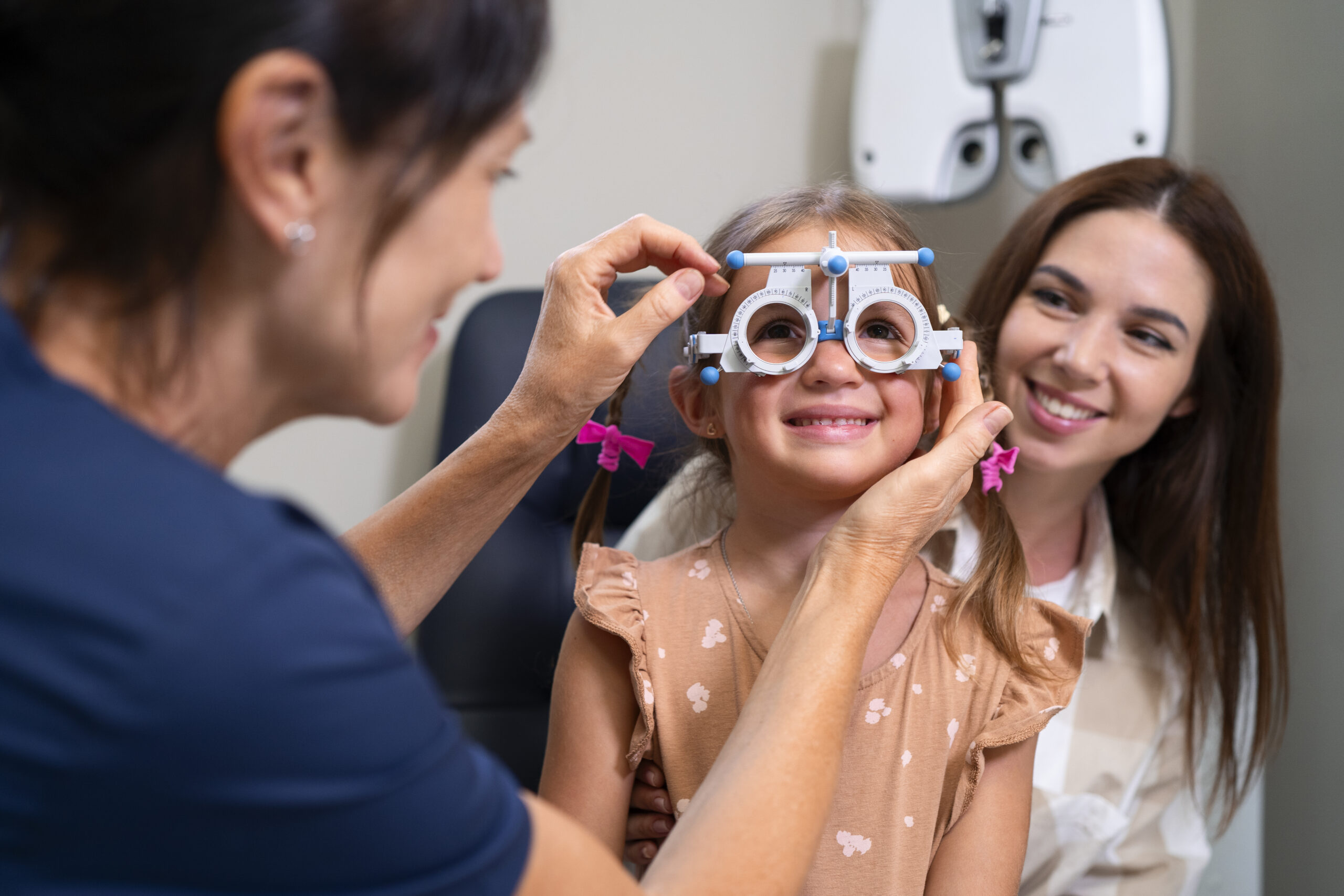
Seven year old Leo spent most of his second term at school falling behind in reading, not because he lacked the ability, but because the words on the page felt like a moving target. Like many Australian parents, his family didn’t realise that 80% of a child’s learning is visual, meaning even a minor refractive error can significantly stall their academic progress. It is completely normal to feel uncertain about the right age for a first check up or to worry about how your little one might react to unfamiliar clinical equipment.
We believe every child deserves the clarity of vision that comes from precise, bespoke care. This guide simplifies the process of booking children’s eye tests, ensuring your child’s development remains a top priority. You will discover the ideal timeline for paediatric eye health, specific symptoms that warrant an immediate visit, and why a personalised approach from an independent local expert provides a more comfortable experience than a high volume corporate chain. By the end, you’ll have the confidence to choose a care provider who treats your family like a neighbour, not just a number.
Key Takeaways
- Understand why 80% of your child’s learning is visual and how comprehensive clinical assessments protect their early development.
- Learn the recommended Australian milestones for booking children’s eye tests, from their first check-up at six months through to their critical school years.
- Discover what happens during a paediatric examination and why these painless, game-like assessments are designed to keep your child relaxed and engaged.
- Explore the rising impact of myopia and how balancing ‘near-work’ with outdoor play can safeguard your child’s long-term vision.
- Identify the clinical benefits of choosing independent optometry for personalised, continuous care tailored to your family’s unique history and needs.
Why Children’s Eye Tests are Essential for Early Development
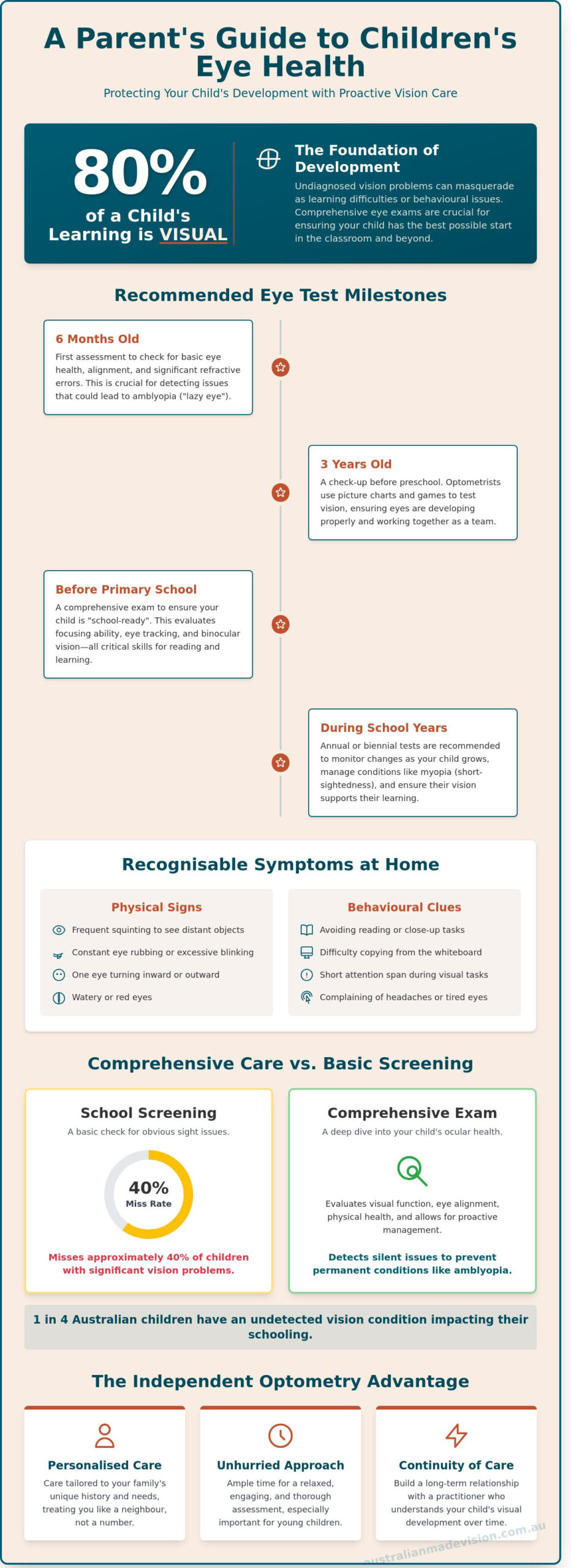
A child’s world is built almost entirely on what they see. Clinical data indicates that 80% of a child’s learning is processed through their eyes; this makes visual health a fundamental pillar of their education and social growth. Despite this, many vision issues go unnoticed because young children assume everyone sees the world exactly as they do. Comprehensive children’s eye tests are clinical assessments that go far beyond reading letters on a wall. These exams evaluate visual function, eye alignment, and the physical health of the eye itself to ensure every child has the best start in life.
Vision problems are often silent. A child with a “lazy eye” or high levels of long-sightedness won’t usually complain of blurry vision because they’ve never known anything different. Early detection is the only way to prevent permanent conditions like amblyopia. If these issues aren’t identified and treated before a child’s visual system fully matures, the brain may never learn to see clearly out of the affected eye. Choosing a local independent optometrist ensures your child receives the personalised, unhurried care necessary to catch these subtle signs early.
Vision and the Learning Link
Undiagnosed vision problems often masquerade as behavioural issues or learning difficulties. Research suggests that 1 in 4 Australian children have an undetected vision condition that impacts their schooling. When a child’s eyes don’t work together effectively, which is known as poor binocular vision, the act of reading becomes a physical chore. This leads to intense visual fatigue. A child might lose concentration after 15 minutes of desk work or struggle to copy notes from a whiteboard. Teachers sometimes mistake this for ADHD or a lack of motivation, when the child simply needs a tailored visual solution to help them focus. Understanding the complex relationship between vision and learning helps parents recognise when academic struggles may have a visual foundation.
Prevention vs. Correction
It’s vital to distinguish between a basic school screening and a professional consultation. School screenings are helpful for catching obvious sight issues, but they miss approximately 40% of children with significant vision problems. A comprehensive exam is a deeper look into ocular health. Understanding what to expect in an eye exam helps parents see the value in these detailed clinical checks. Beyond just checking if a child needs glasses, these tests allow for proactive myopia management. Early intervention can slow the progression of short-sightedness, reducing the risk of serious eye diseases later in life. Our Australian independent practices pride themselves on using high-quality diagnostic tools to provide this level of precision care for every family.
When to Book: Key Milestones and Warning Signs
Early intervention is the cornerstone of lifelong vision. In Australia, the recommended schedule for children’s eye tests begins much earlier than many parents realize. You should book your child’s first assessment at 6 months of age, followed by a check at 3 years, and another comprehensive exam before they start primary school. These milestones ensure that developmental issues are caught before they impact a child’s ability to learn and interact with their world.
Once your child is in school, their eyes change rapidly as they grow. We recommend annual or biennial tests throughout their school years to monitor these shifts. Since 80% of a child’s learning is visual, keeping a consistent schedule with a local expert ensures they aren’t struggling in silence. Choosing an independent optometrist allows for a more personalized, unhurried approach, where the practitioner can truly get to know your child’s specific visual needs and history.
The First Eye Check: What Age is Right?
A common myth suggests that children must be able to read the alphabet before they can have their eyes checked. This isn’t true. Optometrists use specialized tools like matching games, picture cards, and light reflections to assess infants and toddlers. These techniques allow us to check for common childhood eye conditions without the child needing to say a single word. Ensuring a child is “school-ready” means verifying their eyes work together as a team, a vital step before they face the demands of a classroom.
Recognisable Symptoms at Home
Parents are often the first to spot “red flags” during daily activities. Watch for physical signs like frequent squinting, rubbing the eyes, or excessive blinking. If you notice one eye turning inward or outward, it’s time to book an appointment. Behavioural changes are equally telling. A child who sits too close to the TV, loses their place while reading, or complains of headaches after homework may be experiencing visual stress.
Sudden disinterest in reading or outdoor sports can also indicate a problem. When vision is blurry or double, these activities become exhausting rather than fun. You should also monitor screen time habits. If your child consistently holds a tablet closer than 30cm from their face, it’s a strong indicator that they are struggling to focus. You can find more detailed fact sheets on common childhood eye conditions through the Royal Children’s Hospital to help identify these subtle cues at home.
What Happens During a Paediatric Eye Examination?
Many parents feel a flicker of anxiety before their child’s first clinical appointment. You can rest easy knowing that children’s eye tests are entirely non-invasive and painless. Most optometrists who work with kids frame the entire process as a series of games. This approach keeps your child engaged while the practitioner gathers vital data about their visual development.
The session starts with a detailed history-taking. Your optometrist will ask about your child’s birth history, developmental milestones, and any family history of vision issues. Statistics show that if one parent has myopia, a child’s risk of developing the condition increases by approximately 300%. Sharing these details helps the practitioner tailor the exam to your family’s specific needs.
Next, the optometrist assesses “Visual Acuity.” For older children, this involves the familiar chart of letters. For younger children or toddlers, we use age-appropriate charts featuring simple symbols like houses, birds, or apples. We also check eye alignment and tracking. By asking your child to follow a small toy or a penlight, the optometrist ensures the eye muscles are working together correctly. This is essential for activities like reading and catching a ball.
Advanced Testing Methods for Kids
Optometrists use specialised tools that don’t require the child to say a word. One primary method is Retinoscopy. The practitioner shines a light into the eye and observes the reflection off the retina. This allows them to calculate an accurate prescription based on how the light bounces back. It’s a precise, objective way to check vision in infants and non-verbal children.
Digital retinal imaging is another cornerstone of modern care. We take a high-resolution “photo” of the back of the eye to check the health of the retina and optic nerve. This creates a permanent record for your child’s health profile. In some cases, the optometrist may use pupil dilation drops. These drops widen the pupil to allow a more thorough look at the internal structures of the eye. While they may cause temporary light sensitivity, they are vital for a comprehensive health check.
Making the Experience Positive
Preparation is the key to a successful visit. Try to book the appointment during a time when your child is typically well-rested and has just finished a meal. A tired or hungry child is less likely to cooperate with the visual games. You should also encourage them to bring a favourite toy or “security blanket” to help them feel comfortable in the exam chair.
The practitioner you choose makes a significant difference in how your child perceives eye care. We believe there is immense value in finding an independent optometrist who focuses on paediatric care. These local professionals often provide a more personalised, patient-centric environment than large corporate chains. They take the time to build a genuine rapport with your family, ensuring that children’s eye tests become a positive, routine part of growing up healthy in Australia.
Understanding Myopia and Modern Lens Solutions
Myopia, commonly known as short-sightedness, occurs when the eyeball grows slightly too long from front to back. This causes light to focus in front of the retina rather than directly on it, making distant objects appear blurry. Recent research from the Brien Holden Vision Institute shows that myopia prevalence in 12-year-olds in Australia doubled between 2005 and 2011. This sharp increase is largely linked to the rise of “near-work” activities, such as prolonged tablet use and reading, combined with less time spent in natural sunlight. Experts recommend at least 120 minutes of outdoor play daily to help regulate eye growth. Regular children’s eye tests allow practitioners to monitor these changes and intervene early.
The Rise of Childhood Myopia
The global surge in short-sightedness is now frequently called a myopia epidemic, and early intervention is critical for long-term health. High myopia isn’t just about thicker glasses; it significantly increases the risk of developing sight-threatening conditions like glaucoma or retinal detachment later in life. Myopia management aims to slow the elongation of the eye, preserving vision for the future. By identifying the condition during children’s eye tests, independent optometrists can prescribe specialised treatments that go beyond standard vision correction.
High-Quality Lenses for Growing Eyes
Active Australian children require durable eyewear that can withstand the playground and the classroom. We prioritise impact-resistant materials such as Trivex or polycarbonate, which are much safer than standard plastic for kids. Modern lens technology also includes anti-reflective coatings to reduce glare from overhead school lights and blue light filters to assist with digital eye strain. Locally crafted, precision lenses provide the most accurate correction possible. These bespoke solutions ensure the glasses sit comfortably and provide clear vision from every angle, supporting your child’s development and confidence.
- Impact Resistance: Essential for sports and active play to prevent lens shattering.
- Anti-Reflective Coatings: Improves visual comfort by reducing distracting reflections.
- Precision Manufacturing: Locally made lenses ensure higher quality control and a better fit.
Choosing the Right Care: The Independent Optometry Advantage
Selecting where to book your child’s appointment is a decision that impacts their long-term visual development. Independent practices often allocate 40 minutes for standard consultations, giving the optometrist ample time to build a genuine rapport with your child. This unhurried approach is vital for accurate children’s eye tests; young patients frequently need extra patience to feel comfortable during clinical procedures.
You’ll likely see the same practitioner at every visit, ensuring vital continuity of care. This means your optometrist understands your child’s specific history and visual progression over several years. It removes the stress of repeating medical histories to a new face at every annual check-up. Understanding what to expect during a comprehensive eye check helps parents appreciate the difference between thorough independent care and rushed retail environments.
- Bespoke frame selections tailored to smaller facial structures.
- Specialised lens coatings that withstand the rigours of the school playground.
- Access to advanced diagnostic technology that may not be available in high-volume retail settings.
Personalised Care vs. Corporate Models
Independent optometrists are typically family-owned businesses that mirror the values of their local community. They provide bespoke recommendations tailored to your child’s specific hobbies, such as competitive sports or musical practice. You can use this directory to locate a trusted independent optometrist who prioritises clinical outcomes over corporate sales targets.
Supporting Australian Quality
Choosing an independent provider often grants you access to premium Australian-made lenses. Local manufacturing ensures that eyewear meets strict Australian Standards for precision and impact resistance. When you support local labs, you’re investing in a higher level of quality control that keeps your child’s vision clear and safe. It’s a commitment to both local industry and superior clinical results. Prioritise your child’s vision today by booking a comprehensive eye examination with a local expert.
Securing a Brighter Future Through Better Vision
A child’s sight is their most valuable learning tool. Research from Optometry Australia indicates that one in five children lives with an undiagnosed vision condition. Booking regular children’s eye tests before your child starts school at age five ensures these issues are identified early, preventing long term developmental delays. Independent optometrists offer a distinct advantage by providing bespoke care and advanced myopia management solutions that corporate providers often overlook. You’ll find that these local experts take the time to understand your child’s unique lifestyle and visual needs.
Choosing independent care also means supporting our local economy. Many independent practices provide access to high quality lenses manufactured in Australian laboratories, ensuring your child wears products built with local pride and precision. This commitment to quality craftsmanship provides peace of mind for parents who value both clinical excellence and ethical community support. It’s about more than just a prescription; it’s about a lifetime of clear sight and healthy habits. Take the first step toward protecting your child’s visual health today.
Find an independent optometrist who prioritises your child’s vision
Your local community expert is ready to help your child see their world with perfect clarity.
Frequently Asked Questions
At what age should my child have their first eye test?
Children should have their first comprehensive eye assessment at 6 months of age to ensure their vision is developing correctly. While many parents wait until their child starts school, 1 in 5 Australian children has an undiagnosed vision problem that early intervention can address. Our local independent optometrists recommend this early check to monitor eye alignment and health milestones.
How much does a children’s eye test cost in Australia?
A standard children’s eye test typically costs between A$70 and A$100 if the provider does not bulk bill. Most independent practices across Australia offer bulk billing for children under Medicare, which means there is no out-of-pocket expense for the family. Choosing a local expert ensures your child receives bespoke care without the clinical, rushed feel of a corporate chain.
Can my child have an eye test if they don’t know their alphabet yet?
Yes, children can absolutely have a thorough eye test before they learn their ABCs. Optometrists use specialized tools like LEA symbols, which use shapes and pictures, or objective tests that measure how light reflects off the retina. These methods allow us to determine a precise prescription and check eye health accurately without the child needing to say a word.
How often should my child’s eyes be tested once they start school?
We recommend that school-aged children have their eyes tested every 2 years to keep up with their rapid physical growth. If your child already wears glasses or the optometrist identifies a specific concern, they might suggest a review every 12 months. Regular children’s eye tests are vital because 80 percent of a child’s learning is visual, making clear sight essential for classroom success.
What is the difference between a school vision screening and an eye test?
A school vision screening is a basic check that usually only measures distance vision, while a comprehensive eye test is a full clinical examination. Research shows that school screenings can miss up to 80 percent of vision issues, such as eye coordination or focusing problems. Visiting an independent Australian optometrist provides a deeper level of care that a simple screening cannot match.
Will my child definitely need glasses if they have an eye test?
An eye test doesn’t always result in a prescription for glasses. Many children leave their appointment with a clean bill of health or advice on simple eye exercises to help their tracking and focus. If they do need support, our local practices focus on high-quality, Australian-made solutions tailored specifically to your child’s unique face shape and lifestyle.
How can I tell if my toddler has a vision problem?
You should watch for physical signs such as frequent eye rubbing, a wandering eye, or if they tilt their head to see things clearly. Data from the Australian Institute of Health and Welfare indicates that identifying issues before age 5 leads to significantly better long-term outcomes. If your toddler sits very close to the television or squint, it’s time to visit a trusted community optometrist.
Does Medicare cover the cost of children’s eye tests?
Medicare covers a comprehensive eye test once every 3 years for patients under age 65, and more frequently if a specific clinical condition is detected. When you visit an independent practice that bulk bills, the Medicare benefit of approximately A$60 to A$90 is paid directly to the clinic. This system ensures that high-quality, locally-provided eye care remains accessible for every Australian family.
Disclaimer
The information in this article is provided for general educational purposes only and should not be considered medical advice. For personalised advice regarding your vision or eye health, please consult a qualified optometrist.
Australian Made Vision is an independent directory that helps patients find optometrists across Australia who may offer Australian-made spectacle lenses. We do not provide clinical services and recommend contacting practices directly to confirm the products and services they offer.